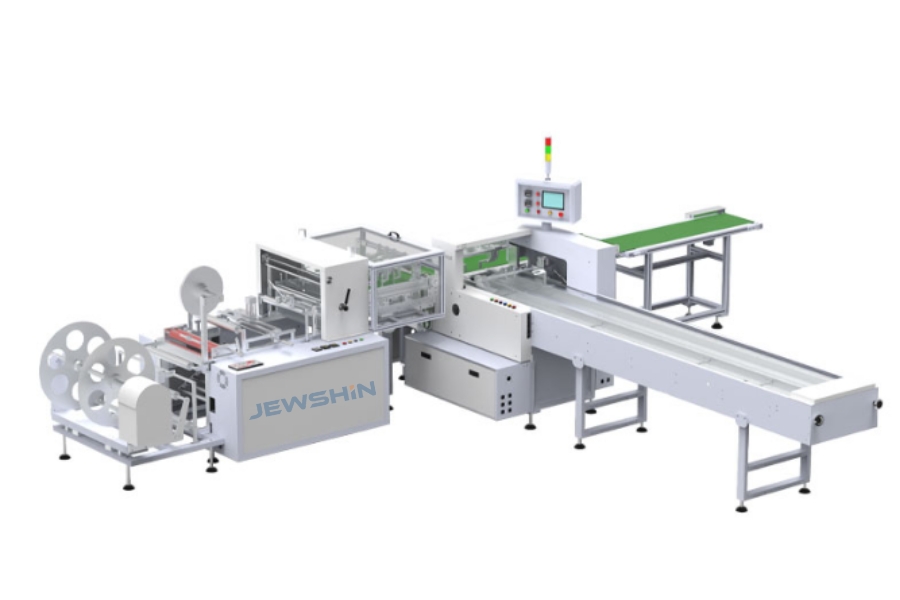
Can a custom packaging machinery manufacturer meet your unique production needs? Yes, if the supplier has the engineering ability, testing process, and industry experience required for your production environment. Companies using customized packaging systems often achieve 20–40% higher efficiency after replacing manual or semi-standard processes, while reducing material waste by 5–15%. A qualified supplier should evaluate product size, packaging material, output targets, automation requirements, and future expansion plans before designing equipment.
Manufacturing companies rarely have identical packaging requirements. A machine designed for one product may not perform well with another product that has different dimensions, viscosity, weight, or packaging material. A customized solution allows the equipment structure, control system, and operating parameters to match the actual production process.
A professional packaging machinery manufacturer usually starts with production analysis instead of immediately recommending a machine model. Engineers review factors such as package size range, required speed, product characteristics, factory space, and maintenance conditions.
“A suitable packaging system should match the production process instead of forcing the production process to match the machine.”
For example, a company producing snacks may need a machine handling multiple pouch sizes, while a pharmaceutical producer may require filling accuracy within ±1% to maintain product consistency. A beverage manufacturer may need special sealing technology because liquid products create different risks compared with dry goods.
The ability to customize equipment depends heavily on engineering resources. A manufacturer with mechanical engineers, electrical engineers, and automation specialists can modify machine structures and develop control programs according to specific requirements.
A typical customization process includes:
| Process | Main Work |
|---|---|
| Requirement analysis | Review product, package, speed, and factory conditions |
| Machine design | Develop mechanical structure and production layout |
| Automation setup | Configure PLC, sensors, motors, and control systems |
| Testing | Verify speed, accuracy, and stability |
| Final adjustment | Improve operation before delivery |
According to manufacturing automation studies published after 2020, companies that introduced better-designed automated systems reported production efficiency improvements of around 15–30%. Packaging equipment follows the same principle because small improvements in speed and reliability can affect thousands of production hours every year.
The packaging material used in production also determines machine design. Different films, cartons, bottles, trays, and flexible materials require different heating temperatures, pressure settings, feeding methods, and mechanical handling systems.
For flexible packaging, film tension control is important because unstable feeding can create wrinkles or inaccurate sealing. For rigid containers, positioning accuracy affects filling, labeling, and closing processes. For powder products, dust control and dosing accuracy are often required to maintain stable output.
A customized supplier should understand these differences before manufacturing equipment.
| Product Type | Common Requirements |
|---|---|
| Food products | Hygiene design, fast changeover, accurate sealing |
| Pharmaceutical products | Precise dosing, validation support, clean operation |
| Cosmetics | Flexible packaging formats, appearance quality |
| Chemical products | Strong materials, safety features, controlled filling |
Automation capability has become another factor companies evaluate when purchasing packaging equipment. Modern production lines often combine sensors, servo motors, robotic systems, and digital monitoring tools.
A machine with advanced automation can reduce manual adjustments and improve production records. In many factories, automated inspection systems reduce packaging defects by approximately 20–50% compared with manual checking methods, depending on product type and operating conditions.
Integration with existing factory systems is also important. Packaging machines may need communication with production databases, inventory systems, or quality management platforms. A supplier that understands industrial communication standards can make future upgrades easier.
“A packaging machine should not only complete one task; it should fit into the entire production environment.”
Testing procedures provide another way to evaluate whether a manufacturer can deliver reliable equipment. Before shipment, professional suppliers normally test machine speed, package quality, safety functions, and continuous operation performance.
A factory acceptance test may include:
-
Running the machine with customer materials
-
Checking packaging accuracy over repeated cycles
-
Measuring production speed
-
Testing emergency functions
-
Reviewing maintenance access points
For example, a machine operating at 100 packages per minute produces 6,000 packages per hour. A small accuracy issue of only 1% can create hundreds of rejected packages during a single production shift. Testing helps identify these problems before installation.
Supplier experience across different industries also affects customization quality. Manufacturers that have completed projects for food, healthcare, electronics, and consumer products usually have more practical knowledge about production conditions.
Companies should review several factors before selecting a supplier:
| Evaluation Item | Questions to Consider |
|---|---|
| Technical experience | Has the supplier handled similar products? |
| Design ability | Can the machine be modified for future needs? |
| Manufacturing quality | Are components and assembly standards reliable? |
| Support service | Can technical assistance be provided after installation? |
| Spare parts | Are replacement parts available quickly? |
The total cost of packaging equipment should include operation, maintenance, and future upgrades. A machine with a lower purchase price may require more manual labor or frequent adjustments, increasing long-term expenses.
A customized machine may require a higher initial investment, but improved production consistency can reduce material waste and labor requirements. For many manufacturers, reducing packaging waste by only 5% can create measurable savings when production volume reaches millions of units annually.
Flexibility is also important because product lines change over time. A company may introduce new package sizes, increase output targets, or switch to different materials after several years.
A well-designed machine can support these changes through adjustable components, modular structures, and software upgrades. For example, a filling machine designed with replaceable tooling may handle additional container sizes without replacing the complete system.
Communication between the customer and equipment supplier affects project results. Detailed information about production targets, product samples, and packaging materials helps engineers create more accurate solutions.
Before signing a project agreement, companies should provide:
-
Product specifications
-
Packaging samples
-
Expected production capacity
-
Required automation level
-
Factory installation conditions
Clear technical communication reduces redesign work and helps maintain project schedules. Industry projects reviewed between 2018 and 2023 showed that early engineering cooperation could reduce equipment modification requirements by around 20–30%.
After installation, technical support remains important because packaging machines operate for many years. Regular maintenance, software updates, and spare part availability help maintain stable production performance.
“The best equipment partnership continues after delivery through service, improvement, and technical support.”
A custom packaging machinery manufacturer can support unique production requirements when it combines engineering knowledge, automation skills, testing standards, and long-term service capability. Companies should compare suppliers based on machine performance, customization experience, and support systems rather than equipment appearance or initial price alone.
With suitable equipment design, manufacturers can improve production speed, maintain consistent package quality, and prepare their factories for future product changes. A customized packaging solution provides a practical approach for companies that require reliable performance across different production environments.